
Adult Virtual IOP
About Our Virtual Adult IOP
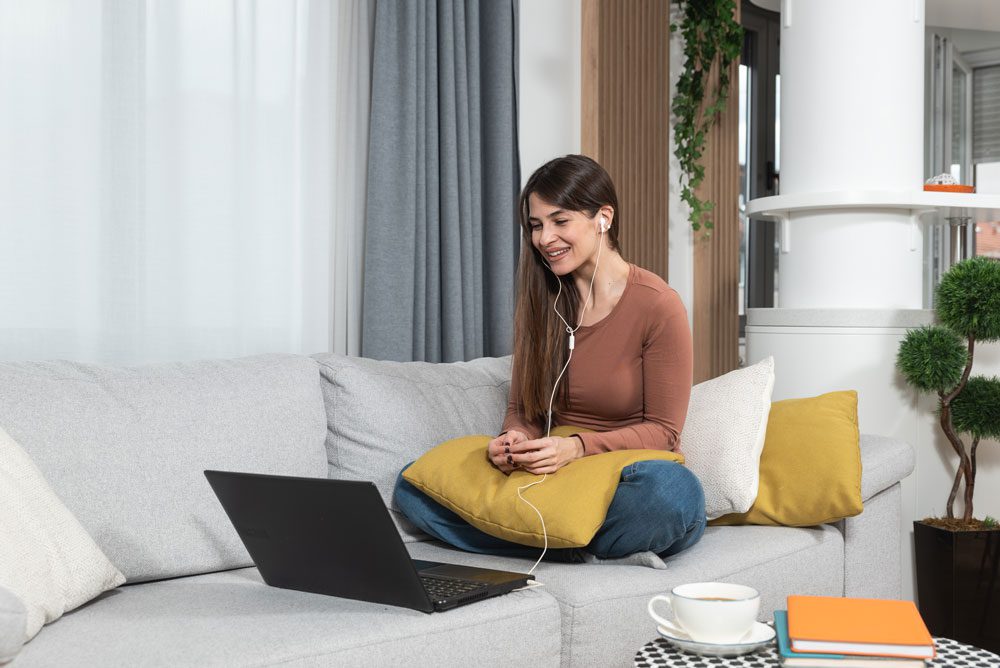
The Virtual Intensive Outpatient Program (IOP) for Adult Mental Health at Eagle View Behavioral Health provides a flexible, accessible treatment option for individuals who need structured support but prefer or require care from the comfort of home. Designed to deliver the same high-quality clinical services as in-person programming, the virtual IOP allows adults to engage in meaningful mental health treatment without the barriers of travel, scheduling conflicts, or geographic limitations.
This program is ideal for adults experiencing conditions such as depression, anxiety, mood disorders, trauma-related concerns, or other mental health challenges that interfere with daily functioning. It is especially beneficial for individuals who are stepping down from a higher level of care, such as inpatient or partial hospitalization, or for those who need more support than traditional weekly therapy sessions can provide. By offering a structured yet adaptable schedule, the virtual IOP helps clients maintain consistency in treatment while balancing work, school, or family responsibilities.
Explore Our Virtual Adult IOP
Are you looking to take back your life?
(563) 500-1212
Conditions We Treat
Outpatient Services
Virtual Adult IOP:
Flexible Virtual Care with Meaningful Connection
Participants in the Virtual IOP typically attend therapy sessions three hours per day, three times per week. Services are delivered through a secure, HIPAA-compliant telehealth platform, ensuring privacy and confidentiality while making it easy to log in from any quiet, safe space. Despite the remote format, the program fosters a strong sense of connection and engagement, with clinicians actively facilitating discussions and encouraging participation to create a supportive, interactive environment.
Virtual Afternoon Option for Adult IOP
Half Day Program
12:30 pm — 3:30 pm
3 hours per day, 3 days per week (TU/W/TH)
Connected Therapy and Personalized Clinical Care
A cornerstone of the Virtual IOP is group therapy, which provides clients with the opportunity to connect with others facing similar challenges. These sessions are led by licensed mental health professionals and focus on topics such as emotional regulation, coping skills, stress management, communication, and relapse prevention. Group therapy in a virtual setting can be surprisingly powerful, as clients often find comfort and validation in sharing experiences and gaining perspective from peers, even through a screen.
This integrated approach ensures that each person’s treatment plan is tailored to their unique needs and goals. Evidence-based modalities such as cognitive behavioral therapy (CBT), dialectical behavior therapy (DBT), and trauma-informed care are commonly used to help clients better understand their thoughts, emotions, and behaviors, while developing healthier ways to respond to life’s challenges.

Holistic Practices and Life Skills for Everyday Stability
Beyond clinical therapy, the Virtual IOP emphasizes the importance of holistic well-being. Meditation and mindfulness practices are incorporated into programming to help clients cultivate a greater sense of calm, focus, and self-awareness. Through guided exercises such as deep breathing, progressive muscle relaxation, and grounding techniques, individuals learn how to manage stress and reduce the intensity of overwhelming emotions. These skills are particularly valuable in a virtual setting, where clients can immediately apply what they learn within their own home environment.
Life skills development is another essential component of the program. Many adults struggling with mental health conditions find it difficult to maintain routines, manage responsibilities, or navigate interpersonal relationships. The Virtual IOP addresses these challenges by teaching practical skills that support daily functioning and long-term stability. Clients may work on time management, goal setting, problem-solving, and building healthy habits, all within the context of their real-life environments. Because participants are at home, they can directly integrate these skills into their daily routines, reinforcing what they learn in treatment.
Accessible, Supportive Care with a Focus on Long-Term Success
One of the unique advantages of a virtual program is its accessibility. Individuals who live in rural areas, have limited transportation, or face mobility challenges can still receive comprehensive care without needing to travel to a physical location. Additionally, the ability to attend sessions from home can reduce anxiety for some clients, making it easier to engage openly in therapy. This increased comfort can lead to deeper participation and more meaningful progress over time.
As with all levels of care at Eagle View Behavioral Health, continuity and discharge planning are key elements of the Virtual IOP. From the beginning of treatment, clinicians work with clients to identify next steps and establish ongoing support after program completion. This may include transitioning to traditional outpatient therapy, connecting with community resources, or continuing psychiatric care. The goal is to ensure that clients leave the program with a clear plan and the tools needed to maintain their progress.
Continuity of Care and Discharge Planning
As with all levels of care at Eagle View Behavioral Health, continuity and discharge planning are key elements of the Virtual IOP. From the beginning of treatment, clinicians work with clients to identify next steps and establish ongoing support after program completion. This may include transitioning to traditional outpatient therapy, connecting with community resources, or continuing psychiatric care. The goal is to ensure that clients leave the program with a clear plan and the tools needed to maintain their progress.